
Last year, I spoke with someone who felt stuck because she did not have a big, flashy talent. She was not a coder, not a pro designer, and not a full-time writer. But once we looked at what she already did well, we found plenty of micro skills online could be built from: writing clear messages, organizing information, making simple graphics, and helping people stay on track. That is the good news for you too. Small skills can become real income when you package them the right way.
You do not need to know everything to start. Most people begin with one easy digital skill, use a little AI to speed things up, and learn as they go. The goal is not to become famous overnight. The goal is to solve a small problem for a real person, consistently. When you do that, freelance micro skills can turn into services, templates, or digital products that people will pay for.
Why micro skills online are a smart place to start
One of the biggest reasons micro skills work so well is that they lower the barrier to entry. You do not need years of training, a huge budget, or a fancy website. You just need one useful skill, a clear offer, and the willingness to improve.
The demand is real too. The World Economic Forum’s Future of Jobs Report continues to show strong growth in digital, creative, and AI-related skills. That does not mean every skill will pay the same. It simply means people and businesses need help with tasks they do not have time to do themselves.
OTHER RELEVANT BLOG POST
Related Posts:



If you are looking for beginner online skills, think of the tiny problems people pay to solve:
- cleaning up messy text
- designing simple social media posts
- summarizing research
- formatting a document
- turning ideas into a downloadable template
That is where easy digital skills become useful. They are small enough to learn, but valuable enough to sell.
Easy digital skills beginners can turn into income
You do not need to chase every trend. Start with skills that match your natural strengths. Here are some of the most practical micro skills online you can build around.
1. Clear writing and editing
If you can take a rough message and make it easy to understand, that is a paid skill. You can help with email copy, captions, bios, product descriptions, blog outlines, or simple sales pages. AI can help you brainstorm ideas, fix grammar, and generate first drafts, but your human touch is what makes the writing sound real.
2. Canva-style graphic design
You do not have to be a professional designer to create good-looking visuals. Many beginners make money by designing social posts, Pinterest pins, lead magnets, simple workbooks, and YouTube thumbnails. AI can help you come up with headline ideas, color suggestions, and content angles before you open the design tool.
3. Research and summarizing
Some people hate research. If you are the kind of person who likes to compare options, gather information, and make sense of it all, this can be a strong micro skill. You can sell research summaries, competitor comparisons, resource lists, or topic briefs. AI can speed up the first pass, but you still need to verify facts and organize the results clearly.
4. Short-form video support
Creators and small businesses need help turning long videos into short clips. If you can cut clips, add captions, find strong hooks, or organize timestamps, you can offer real value. Tools like CapCut, Descript, and AI transcription features make this easier than it used to be.
5. Prompt writing and AI workflow help
This is a newer skill, but it is growing fast. A good prompt writer knows how to ask AI better questions, clean up the results, and turn them into useful work. You might create prompt packs, AI content templates, workflow guides, or mini SOPs for busy people. And you do not need to be a programmer. You just need to be clear, curious, and willing to test things.
6. Spreadsheet cleanup and simple data entry
If you are organized and good with details, spreadsheet work can be a solid starting point. People need help cleaning contact lists, sorting numbers, formatting budgets, and building simple trackers. AI can explain formulas and suggest shortcuts, which helps you work faster and with fewer mistakes.
7. Online admin and customer support
Many entrepreneurs need help keeping their inbox under control, answering common questions, scheduling meetings, or updating records. This is one of those freelance micro skills that seems small, but it saves business owners a lot of time. AI can draft responses or sort messages, but your judgment and tone matter.
8. Proofreading and formatting
Plenty of people need their content polished before it goes live. That could mean checking spelling, fixing layout issues, creating clean PDFs, or formatting eBooks and guides. AI can catch obvious errors, but a careful human editor is still important for final quality.
How AI can help you discover your strongest micro-skill
AI is not just for speed. It can also help you figure out what you are naturally good at. Sometimes people dismiss their own talents because the work feels normal to them. AI can help you see patterns you may have missed.
Try asking something like this:
- What tasks do people usually ask me to help with?
- What do I do faster or more neatly than most people?
- What kind of work do I enjoy repeating?
- What problems can I solve without much stress?
If you want a simple primer on how AI works, Microsoft Learn has a beginner-friendly introduction to AI. You do not need to become an expert overnight. You just need enough understanding to use the tool well.
Here is the best part: AI can help you discover, develop, improve, package, market, and monetize your talents. For example, it can turn your rough notes into a service description, your skill list into a digital product outline, or your ideas into a social media post.
Turn one skill into a freelance offer or digital product
Once you pick a skill, keep the first offer simple. The mistake many beginners make is trying to sell everything at once. Instead, pick one small problem and create one clear solution.
Here is a simple formula:
- Skill: What can you do well enough to help someone?
- Problem: What issue does that solve?
- Offer: What exactly will you deliver?
- Proof: Can you show a sample, before-and-after example, or mockup?
- Platform: Where will people find it?
That offer might be a freelance service on platforms like Upwork or Fiverr. Or it might be a digital product such as a checklist, template, swipe file, prompt pack, planner, or mini guide. AI can help you draft the outline, clean up the wording, and create multiple versions faster.
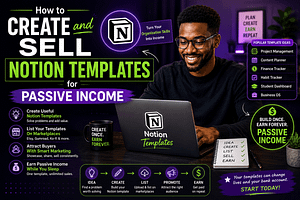
A simple example: if you are good at organizing, you could create a habit tracker, a budget sheet, or a weekly planning template. If you are good at writing, you could make caption packs or email templates. If you are good at research, you could build a resource guide for a niche audience.
The point is not to chase perfection. The point is to create something useful enough to test in the market.
A simple 7-day starter plan
If you want to move from idea to action, try this one-week plan.
- Day 1: Write down the small tasks people already trust you with.
- Day 2: Ask AI to help you turn those tasks into possible services or products.
- Day 3: Pick one skill and one specific audience.
- Day 4: Create one sample, mockup, or demo.
- Day 5: Write a short offer description in plain language.
- Day 6: Share it on a platform, in a group, or with a few contacts.
- Day 7: Review the response and improve the offer.
This is how momentum starts. Not with a giant leap, but with a small, repeatable step.
Mistakes to avoid when selling micro skills online
It is easy to get excited and rush too fast. A little caution can save you time.
- Trying to learn too many skills at once. Start with one.
- Using AI without checking the output. Always review for accuracy and tone.
- Offering vague services. Be specific about what you deliver.
- Waiting until everything is perfect. Small tests teach you faster.
- Expecting instant results. Income depends on effort, consistency, market demand, and execution.
That last point matters. AI can help a lot, but it does not replace learning, practice, or showing up consistently.
Final thoughts
Your first money-making skill does not have to be dramatic. Sometimes the most valuable thing you can offer is a tiny, useful service that saves someone else time, stress, or confusion. That is why micro skills online are worth paying attention to.
Start with what you already know, use AI to help you sharpen it, and build one simple offer around it. Whether you want to freelance, create digital products, or build a side income, your next step is smaller than you think. Keep it simple, stay consistent, and let your skills grow one move at a time.