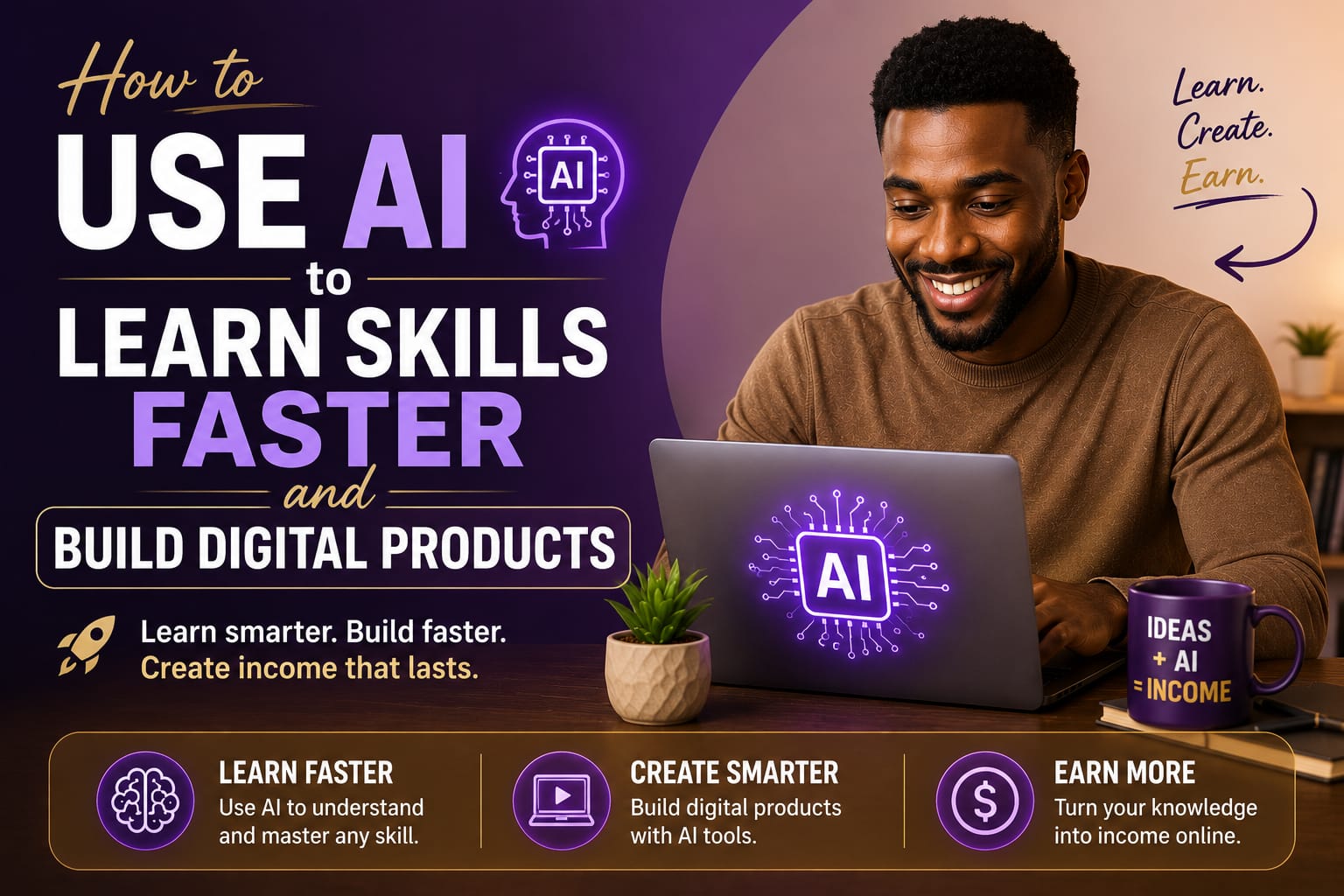
I still remember the first time I asked an AI tool to help me learn a skill I had been avoiding. Instead of staring at a blank page for hours, I got a simple step-by-step plan, practice prompts, and quick feedback. In a few days, I felt more confident than I had in months. If you want a fast starting point, open 21 HIGH INCOME SKILLS TO LEARN IN THIS AI ERA.
The beautiful thing about AI is that it does not replace your talent. It helps you uncover it, sharpen it, and package it into something people will pay for. You can use it like a coach, a research assistant, a tutor, and even a business partner. When you learn this way, you save time, avoid overwhelm, and move from ‘I wish I could’ to ‘I can build this.’
If you want to learn a new skill 10x faster, the goal is not to ask AI to do everything for you. The goal is to use AI to speed up the boring parts so you can focus on practice and results. That is where real growth happens.
OTHER RELEVANT BLOG POST
Related Posts:


Why AI Makes Learning Faster
OTHER RELEVANT BLOG POST
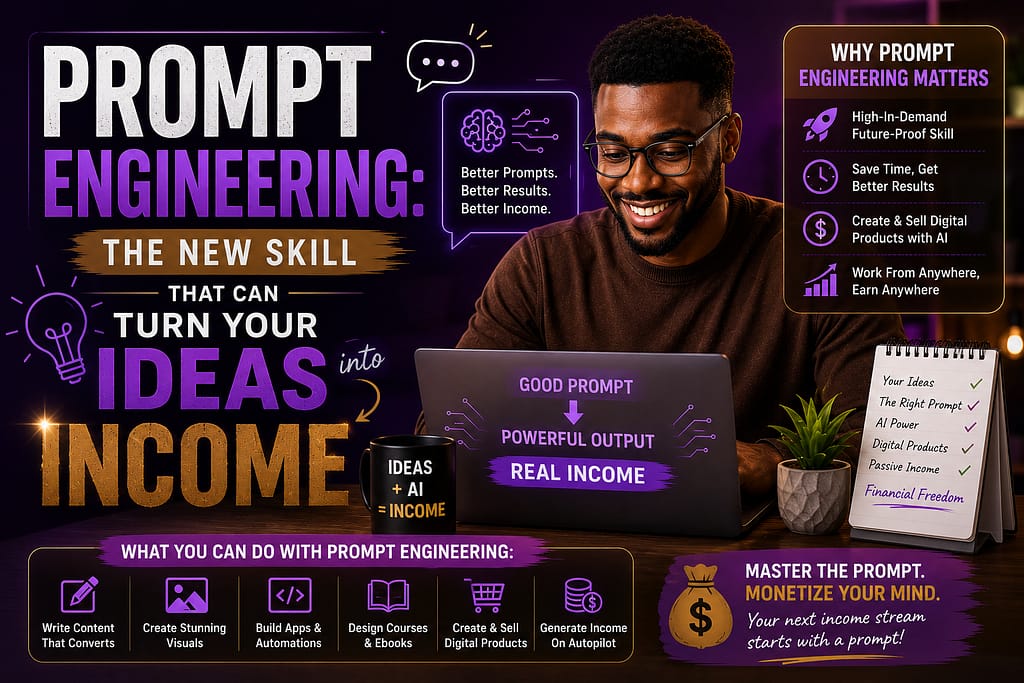
Most people get stuck because they try to learn from random videos, long courses, and confusing advice. AI can organize the mess. It can create a simple roadmap, explain hard words in plain language, and give you examples based on your current level. It can also help you practice in a safe way, which is important if you feel nervous about starting.
Step 1: Pick One Skill That Matches Your Talent
Start with what already feels natural. If you enjoy writing, AI can help you become a better copywriter, blogger, or ebook creator. And you like talking to people, AI can help you build skills in sales, coaching, podcasting, or customer support. If you are artistic, AI can help you learn graphic design, social media content, video editing, or print-on-demand products.
Ask yourself: What do people already come to me for? What do I enjoy doing even when nobody is watching? The answers usually point to your talent.
Step 2: Use AI as Your Personal Tutor
Here is a simple way to learn faster:
- Ask AI to explain the skill like you’re a beginner.
- Ask for a 30-day learning plan.
- Request daily practice tasks.
- Ask for feedback on your work.
- Have AI quiz you until the idea sticks.
For example, you can type: ‘Act as my tutor and teach me social media marketing in simple steps. Create a 2-week plan and give me one task per day.’ You can do the same for coding, Canva design, email marketing, public speaking, bookkeeping, or any skill you want to build.
Step 3: Turn Your Skill Into Something People Can Buy
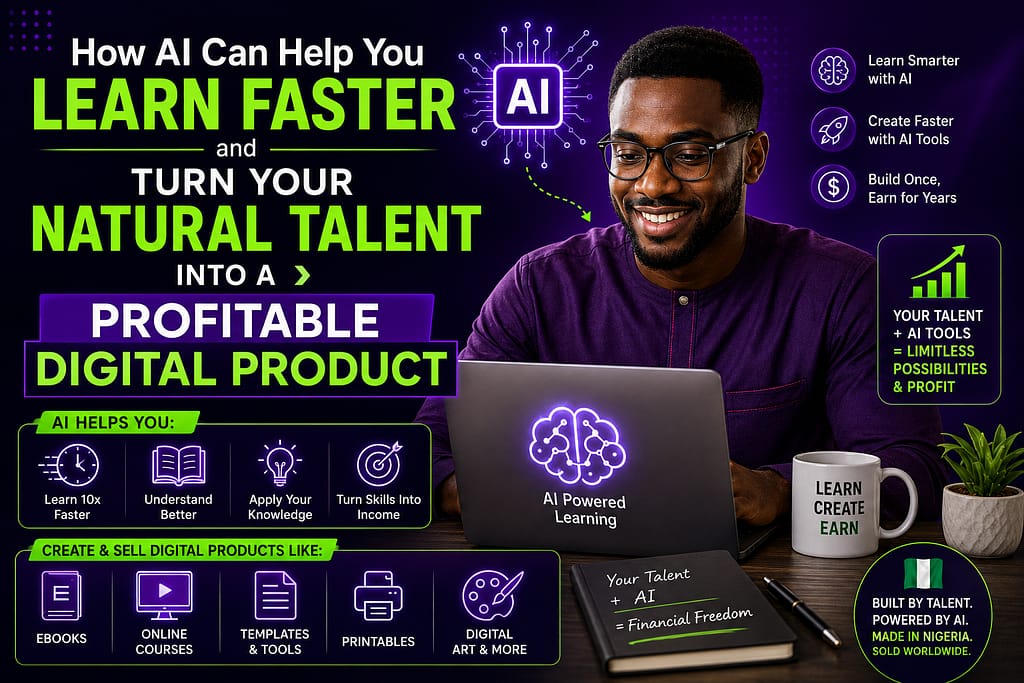
This is where things get exciting. Once you learn a skill, AI can help you package it into digital products. That could be:
- ebooks
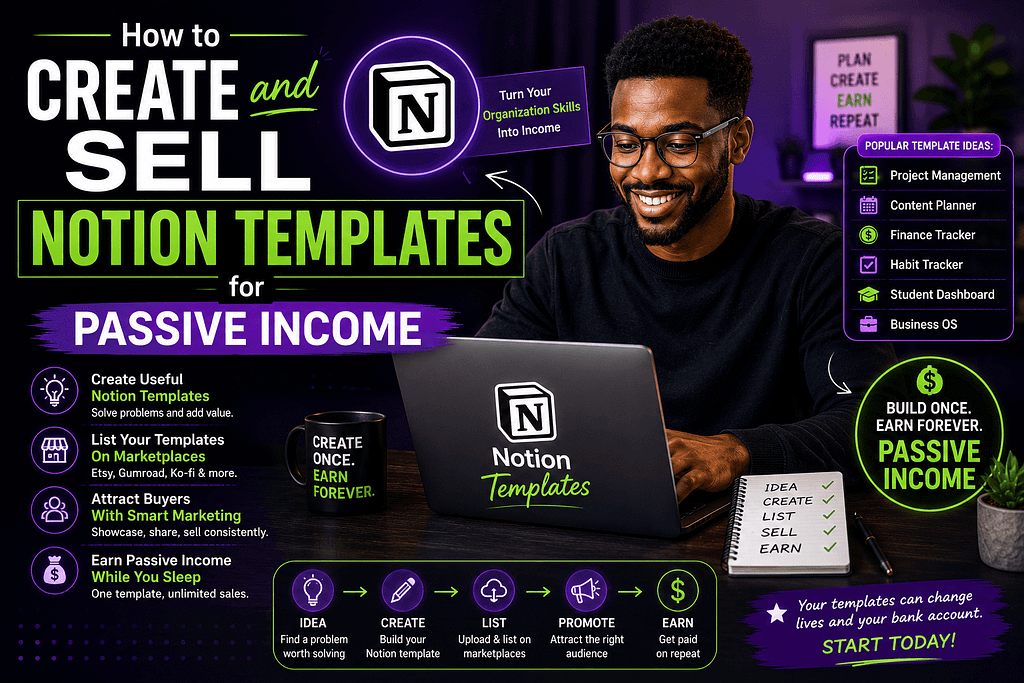
- templates
- checklists
- workbooks
- mini-courses
- social media content packs
- printables
Let’s say your talent is helping people stay organized. AI can help you create a planner, a weekly reset checklist, or a budget template. If your talent is encouraging people in faith, AI can help you create devotionals, prayer journals, or scripture-based printables. You do not need to be famous. You just need to solve a problem clearly.
That is why your talent matters. Talent becomes valuable when it helps someone else save time, feel better, or get a result.
Step 4: Use AI to Build Faster, Not Lazier
AI is best when you use it to move faster with quality. Here are a few smart ways:
- Use ChatGPT for brainstorming and outlining: ChatGPT
- Use Canva for design and templates: Canva
- Use Notion AI to organize notes and ideas: Notion AI
- Use Grammarly to polish your writing: Grammarly
If you want to keep learning too, explore trusted platforms like Coursera and LinkedIn Learning. AI can help you search, compare, and summarize lessons so you do not waste time.
Step 5: Test Your Idea in the Real World
Do not wait until everything is perfect. Create one small product or service and share it. Post it on your website, your social media, or your digital shop. Ask for feedback. Improve it. Sell the next version. This is how beginners become builders.
Remember, confidence does not come before action. It comes after you start seeing results.
Simple Prompt Ideas to Try Today
Use these prompts to move faster:
- ‘What talent do I likely have based on the things I enjoy and do well?’
- ‘Create a beginner-friendly roadmap for learning [skill] in 30 days.’
- ‘Turn this skill into 5 digital product ideas I can sell.’
- ‘Write a simple sales page for this digital product.’
- ‘Give me 10 content ideas to promote this product online.’
These prompts save energy, especially when you feel stuck or unsure where to begin.
What Skills Work Best for Ages 21 to 60?
Honestly, almost any skill can work if it solves a problem. But some of the most useful and profitable skills right now include content writing, graphic design, video editing, AI prompting, email marketing, social media management, bookkeeping, digital planning, and coaching. You can learn these at any age. Your experience is not a disadvantage. It is an advantage.
People in their 20s often want direction. And those in their 30s and 40s want flexibility and extra income. People in their 50s and 60s often want purpose, freedom, and a way to turn wisdom into value. AI can support all of that.
Final Thoughts
Using AI to learn new skills is not about taking shortcuts in a lazy way. It is about learning with clarity, speed, and confidence. When you combine AI with your natural talent, you can grow faster, create useful digital products, and build a path to wealth that feels personal and practical.
Start small today. Pick one skill. Ask AI for a simple plan. Practice for 20 minutes. Create one tiny product. Then keep going. Your next level may be closer than you think.